
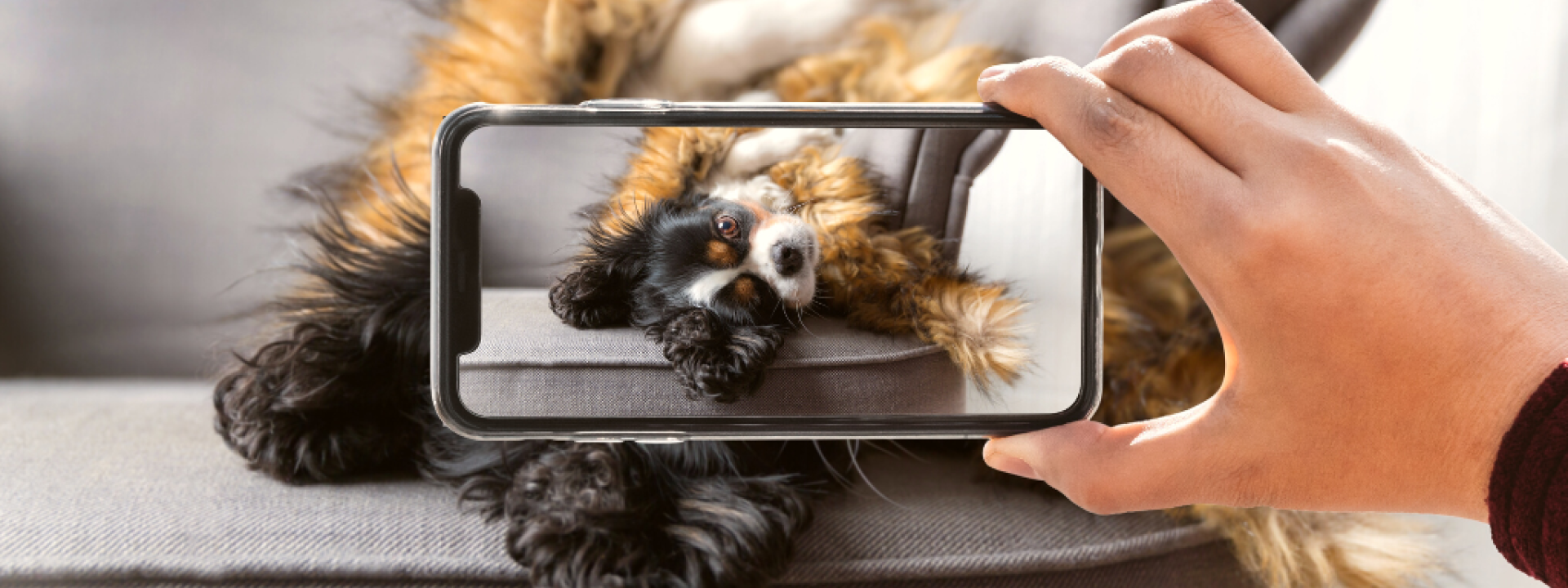
As veterinarians, we have had the pleasure of caring for countless dogs, each with their own unique personalities and quirks. Some dogs are shy and reserved, while others are outgoing and full of energy. But no matter what their individual temperament may be, one thing is for sure: There’s nothing quite like a dog’s smile!
National Smile Day is the perfect opportunity to celebrate our furry friends and teach them to show off their pearly whites for the camera or veterinarian.
National Smile Day, celebrated on May 31st each year, is a day dedicated to spreading happiness and joy through smiles. While the day is typically focused on humans, there’s no reason why our four-legged friends can’t get in on the fun as well. As vets, we’ve seen firsthand how a dog’s smile can light up a room and bring joy to their owners and everyone in the vicinity. Not all dogs are natural smilers, though, and some may need a little help to learn how to show off their teeth. That’s why we’ve put together a list of tips and tricks to help teach your dog to smile for the camera or veterinarian.
Start with Positive Reinforcement
Just like with any type of training, positive reinforcement is key when teaching your dog to smile. Learning how to smile should be fun, and you should never punish your furry friend for not getting it right the first time.
Start by giving your dog treats and praise for any attempts at smiling, even if it’s just a small one. Keep treats at all times when you are with your dog, and reward them when they naturally smile without you telling them to do so. Use a happy, upbeat tone of voice to encourage your dog and let them know they’re doing a great job. By associating smiling with positive rewards, your dog will be more likely to want to show off their teeth in the future.

Use a Command
Once your dog starts to understand that smiling is a good thing, you can start to add in a verbal command to help them associate the action with a word. Use a command such as “smile” or “say cheese” when you want your dog to show off their teeth. Make sure to say the command in a happy, upbeat tone of voice to reinforce the positive association. When your dog smiles without you prompting them, say, “Good smile!” or something similar to further associate the desired action with the command.
Show Them How It’s Done
Dogs are great at picking up on social cues and body language, so one of the best ways to teach your dog to smile is to show them how it’s done. In fact, some experts believe that dogs learn to smile by carefully analyzing their owners.
Get in front of your dog, say the command, and smile yourself, using a happy tone of voice and lots of positive reinforcement. Your dog will pick up on your cues and will start to understand that smiling is a good thing. Dogs want to please their owners, and what better way to show them that you’re happy with them than by smiling?
Use a Mirror
Another great way to teach your dog to smile is to use a mirror. Dogs are often fascinated by their own reflection and will be curious to see what they look like when they’re smiling. Of course, this only works with dogs who like mirrors. If your dog appears disinterested or becomes stressed thinking they are looking at another dog, this suggestion isn’t one you should try. Get in front of a mirror with your dog and use your verbal command to encourage them to smile. When they do, use positive reinforcement to let them know they’re doing a great job.
Be Patient
Remember that dogs don’t naturally smile when they are happy like we do. Because of this, teaching your dog to smile may take some time, so it’s important to be patient and not get frustrated. Every dog is different and will learn at their own pace. If your dog doesn’t seem to be getting the hang of it, try breaking the training down into smaller steps and using more positive reinforcement. With time and patience, your dog will likely learn to smile on command.

Don’t Force It
While teaching your dog to smile is fun, it’s also important to recognize when they’re not comfortable with the idea. Unlike learning to sit, stay, or come on command, learning how to smile isn’t a crucial skill for dogs. Some dogs may not enjoy smiling or having their teeth exposed. It may simply feel too unnatural to them, and that’s okay! Keep in mind, too, that some breeds are more likely to share a smile.
Some of the most smiley dog breeds include:
- Shiba Inu
- Alaskan Malamute
- French Bulldog
- Samoyed
- Bichon Frise
- Pembroke Welsh Corgi
- Australian Shepherd
This doesn’t necessarily mean that other breeds never smile. Some breeds are simply more likely to look like they’re grinning than others.
If your dog seems uncomfortable or anxious when you try to get them to smile, don’t force it. Instead, focus on other ways to bond with your dog and make them happy. Dogs don’t truly smile the same way we do, so the lack of a smile does not mean that your four-legged friend is unhappy.
Conclusion
National Smile Day is a great opportunity to teach your dog to smile and show off their pearly whites for the camera or veterinarian. By using positive reinforcement, verbal commands, and cues, you can help your canine companion learn how to smile in a way that’s fun and stress-free for both of you. But remember, not all dogs smile on command, and that’s okay too. The most important thing is to focus on creating a happy, healthy bond with your dog that’s built on trust and positive reinforcement. This National Smile Day, don’t forget to give your furry friend a little extra love and encourage them to show off their best smile!